Category Archives: Breads

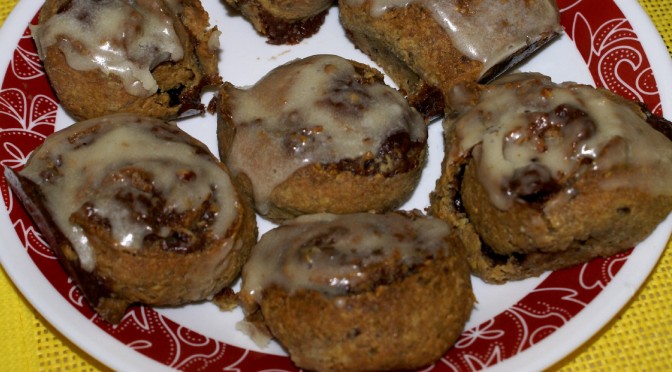
Product Review: LC-Cinnamon Buns

Cinnamon Buns

Mix From LC Foods – Cost $8.98 Makes 9 cinnamon rolls

Package contains about 1 1/2 cups of mix to make the cinnamon buns plus a packet of cinnamon filling mix. You need to add heavy cream, butter, seltzer water, and yeast.  You also need butter and walnuts (or pecans) for the filling.

I mixed according to the directions and used 2 tablespoons of Diet 7-Up for the carbonated water.  The dough was extremely sticky.  The directions say the dough needs to be stiff to roll and to add extra carbonated water if it isn’t.  It didn’t say what to do if the dough was too soft.  I add 2 tablespoons of protein powder and mixed it in and it was still too soft and sticky.  I added 1 tablespoon of carbolose low carb flour and it was finally not too sticky to handle although still too sticky to roll out.  Next, I separated the dough into three equal-sized balls.

I made the cinnamon filling according to directions using 2 tablespoons of water and 1 tablespoon melted butter.  Very thick filling.  I put 1 tablespoon of carbolose on the bread  board, took the first ball and shaped it into a cylinder about 5 to 6 inches long, then put it on the board and pressed it into a 3 inch wide by about 9 inch long strip.  It was too thin to press to 12” long without it tearing.  I turned it a couple of times during the shaping to keep it from sticking to the board and shifted the flour under it.

Then I spread the cinnamon mix onto the strip, which was not too easy as the cinnamon mix wanted to stick to the fork I was using and pulled the dough a couple of times.  I spread chopped pecans on top since we don’t use walnuts at our house.  Then I cut the strip into three one inch wide strips and rolled them from one end to the other to make the roll.

Once they were all done and in the baking pan, the instructions say to put in a warm 70-85 degree oven to rise.  I don’t know about you, but my oven, which I bought about 5 years ago, doesn’t go down below 250 degrees.  It’s electronic ignition, so it doesn’t even have a pilot light to give off heat.  I used my toaster oven, set to the unmarked area below 150 degrees and hoped it wouldn’t destroy the yeast before its time.

It took about twice as long as recommended for the rolls to almost double in size, so that was about 1 hour 15 minutes to rise.  This might be because I live in a high altitude location and that does affect the rise.  Then I brought the oven up to 400 degrees and allowed it to heat for about 5 minutes, then put the rolls in for 15 minutes to bake.  At this point, they look like they will be very tasty although the dough itself is brown rather than white bread type dough.  The mix contains flax meal, wheat isolate, wheat starches, wheat gluten, inulin, and other products that substitute for wheat and sugar.

The mix does not include icing, so you need powdered sugar substitute if you want to ice the rolls.  You can purchase LC Foods powdered sugar or you can make your own by putting sugar substitute in a blender or food processor and running it until it turns to a fine powder.   You’ll need about 2 tablespoons of sugar-free powdered sugar to make a simple icing.  I put 1 tablespoon butter in with the powdered sugar and add enough water to make either a spreadable frosting or a drip frosting, whichever you prefer.

So, making the rolls didn’t go as smoothly as I’d hoped and if you’re trying it, I would suggest not adding the carbonated soda until you have all the other ingredients mixed to see how thick your dough is, then adding it a little at a time.  I still think you will need a low carb flour, possibly coconut flour or almond flour to roll or pat the dough out on in order to prevent it from sticking to the board.

How about taste?  This is the bottom line.  Is the taste worth the expense and effort to make these?  My taste test panel was only two people and we thought that the rolls had a very good flavor, lots of cinnamon taste and were slightly crispy outside with a soft center.  I pour two tablespoons of melted butter over the rolls when they came out of the oven and that added a buttery taste to the rolls that is very nice.  I made a powdered sugar icing and spread it over the top, which added a sweeter taste to it.  We did notice a slight bitter aftertaste, which I think came from the stevia used in the mix or from the inulin.

Overall, I would say it is a very good cinnamon roll and not too difficult to make.  It is almost $1 per cinnamon roll and they aren’t very big ones, about 3 inches in diameter.  My rolls are uneven in size, but that is likely the baker’s fault and I didn’t cut them evenly.  I might buy these again and try them, but it wouldn’t be too often at the price for the mix.  I have a couple of other options to try, including cinnamon bread from Dixie Carb Counters.  I will do that over the next few weeks and post a review.

I give these cinnamon rolls  4 out of 5 tasty spoons.

4-spoons

Disclaimer:  I have not received any promotional items to review and no one from any of the companies whose products I review has asked me to do so. I have purchased the product and am giving my honest opinion about it. Should any company send me a product to try, I will state it up front and will still give my honest opinion.

Baking with Protein Powder

It may surprise some low carb eaters that you can add whey protein powder to your baking with really good results. I have often added a tablespoon or two to my muffins and breads to give them both more flavor and texture. I have seen a recipe now and then that uses only whey protein powder to make a pancake or a waffle. I haven’t tried these yet, but I did make a waffle this morning made with Vanilla Whey Protein Powder and Almond Flour and got a really good result. I’ll share that recipe below.

When using protein powders in baking, I usually use it as a small percent of the total flour in the recipe, but you can add more if you wish to experiment. The most I have substituted in is 2/3rds of the flour with the remainder being a low carb baking mix or almond flour. One big consideration in doing this is the number of net carbs in the protein powder that you’re using. My preferred brand comes from a health food store and is called Nu-Tek Pro 5. It is not inexpensive, but the main reason I buy it is that there is only 1 net carb in a 40-gram scoop. That makes it lower in net carbs than most of the other brands I have checked. It comes in vanilla, chocolate, and strawberry flavors. I use the vanilla more frequently than the other two. There are 145 calories per scoop. If you compare this with a few other brands, you can see that it can make a significant difference in the carb count.

One big consideration in doing this is the number of net carbs in the protein powder that you’re using. My preferred brand comes from a health food store and is called Nu-Tek Pro 5. It is not inexpensive, but the main reason I buy it is that there is only 1 net carb in a 40-gram scoop. That makes it lower in net carbs than most of the other brands I have checked. It comes in vanilla, chocolate, and strawberry flavors. I use the vanilla more frequently than the other two. There are 145 calories per scoop. If you compare this with a few other brands, you can see that it can make a significant difference in the carb count.

protein-compare2
I’m not advocating any particular brand of protein powder and if you check around, you might find others that are equally low carb’d, but take into consideration the size of the scoop and the net carbs when choosing the powder. If you need more powder to make 1/4 cup, then it may increase the carb count. Therefore, the carb count that I get on my recipes is often based on EAS whey protein powder, which is 2 net carbs per 30 g scoop. 1/4 cup is about 3 scoops or 6 net carbs. With my preferred powder, this is reduced to 3 net carbs or less because the scoop is larger and the net carbs are lower. This gives you a starting point to adjust the net carbs up or down, depending on which brand you use.

Vanilla Whey Protein Powder Waffles

I made this in a Belgian waffle maker that has deep holes and requries a little more batter to make a full waffle. I was a little short, but I have adjusted the recipe to accommodate. It will make 4 waffle sections in the round Belgian waffle maker and 2 of them make one serving. If you are using a different waffle maker, it may make 2 waffles.

1/2 cup Vanilla Whey Protein Powder (about 3 to 4 scoops)
2 tablespoon Almond Flour
1 large Egg
1 teaspoon Coconut Oil or Canola Oil
1/4 teaspoon Baking Powder
1/4 teaspoon Vanilla Extract
1 teaspoon Sugar Substitute
2 tablespoons Water

Pre-heat the waffle maker while you mix the batter.

In a small bowl, mix all the ingredients together and stir until completely mixed. You can use a mixer, an immersion mixer, a blender or a whisk. Just make sure the egg is mixed in well.

Spray the waffle maker with cooking spray, then pour the batter equally into each section. Close the lid and cook until the steam stops coming out. This is usually three to four minutes, but it varies. Gently lift the handle and if it opens easily, the waffle is done. If there is resistance, let it cook a little longer.

Carefully lift the waffle from the iron and put on plates, spread with soft butter and serve with sugar-free syrup or fresh fruit, if you wish.

Makes 2 servings

Nutrition Information per serving:
Calories: 214.5 Fat: 9.1 g Net Carbs: 3.2 g Protein: 27.7 g

Easy Popover Muffin French Toast Rounds

Not everything works well with low carb flours or natural flours and it takes some experimenting to get it right.  One of those experiments was this failed popover recipe that actually made a very tasty, simple egg bread muffin that I am calling a popover muffin.  Where a popover would rise and collapse in on itself while creating a well in the middle, this muffin rose, but simply deflated, leaving a nice rounded surface.  But the flavor is great and it makes a fabulous low carb bread to go with almost anything.

The bread is also sturdy enough to hold up to being turned into French Toast Rounds.  So this is a two-fer-recipe day as it includes the recipe for the popover muffins and the French toast rounds.

If you give either one of these recipes a try or both, let me know what you think and if you have other ideas how to use them.

Popover Muffins

Popover Muffin

This recipe makes 6 popover muffins, which are delicious with almost anything — butter, jam, soup, a salad, but it isn’t hollow like a popover normally is. So I am calling them popover muffins. A popover pan will give you depth and make tall and nicely browned muffins, but you can also use a standard muffin pan.

This recipe is the very basic version without any kind of flavoring or seasoning. You can add a little sugar substitute to make them sweet or you can add grated cheese to make a cheese version that would complement a bowl of chile nicely. Add a tablespoon or two of chopped chiles to the batter along with the cheese and really enhance the flavor.

3/4 cup Low Carb Flour*
1/4 cup Almond Flour
2 Eggs
1/4 cup Heavy Cream mixed with 1/4 cup water
Pinch Salt

* I used CarbQuick, but Bob’s Red Mill Baking Mix, LC Flour, Carbolose or any other low carb mix will work.  I have not tried Coconut Flour, but I would guess it might not work as well.

Preheat oven to 425 degrees (F.) Make sure the oven rack is on the lower level to allow room for the batter to rise and to keep them from browning too quickly.

Prepare a 6 well popover pan by spraying with cooking spray or buttering the wells. Deep muffin cups will also work.

Put the eggs into a bowl of warm water to bring them to room temperature, about 10 minutes.

When the oven is fully heated, begin preparing the batter. Whisk the eggs, milk and salt together in a medium bowl. Make sure the ingredients are mixed well, then add the flours at one time and continue to whisk until the flours are and it looks frothy. You can use a mixer with a whisk attachment to do this. Or you can mix it in your blender following the same sequence. Wet ingredients first, then add the flours. Add the melted butter after everything is mixed.

Pour the batter into the popover wells equally. They should be between 2/3 and 3/4 filled.

Bake for 20 minutes, then lower the temperature to 350 degrees and bake an additional 10 minutes. Do not open the oven door while baking, especially during the first 20 minutes. They should be a deep, golden brown.

Nutrition Info per muffin
Calories: 153.2 Fat: 13.5 g Net Carbs: 1.9 g Protein: 5.8 g

Popover Muffin French Toast Rounds

This simple recipe uses an egg bread “popover” muffin as the base for a basic French toast for one. Add pumpkin butter or syrup to serve. A little bacon or sausage helps to round it out.

1 Egg bread “Popover” Muffin
1 Egg
1/2 teaspoon Vanilla
1/2 teaspoon Pumpkin Spice or Cinnamon
1/2 tablespoon Cream
1/2 packet Sugar Substitute
1 tablespoon Butter
1 tablespoon Pumpkin Butter

Slice the muffin across the middle, then slice each half across the middle again to make four rounds.. In a bowl or shallow pan, beat the egg, then add the cream, vanilla and pumpkin spice or cinnamon. Beat with a fork until well mixed. Dip the muffin slices into the egg mixture, turning them to completely coat both sides. Let them sit in the mixture while you warm up a small skillet.

Add the butter and set to medium heat. When the butter melts and is just getting to sizzle, add the muffin rounds. Cook for about 2 minutes on one side, then flip to cook the other side. They should be golden brown. If they aren’t, cook just a little longer. Remove to serving plate and top each with 1/4 of the pumpkin butter or butter the tops and cover with sugar free syrup.

Makes one delicious serving.

Nutrition info per recipe:
Calories: 362.7 Fat: 31.6 g Net Carbs: 4.8 g Protein: 12.8 g

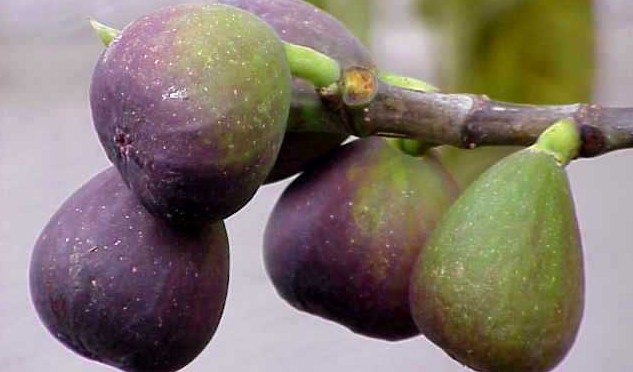
Fantastic Figs – A Good and Versatile Fruit

Living in West Texas as I was growing up, figs weren’t a common fruit in our grocery stores and most of what I experienced were the ones in a dried fruit platter sent by relatives in California at Christmas. I wasn’t that impressed, leaving them to the rest of the family to eat. When I moved to Los Angeles after graduation, my Aunt Emilie introduced me to canned Kadota figs, which were beautiful and plump with a lovely, fruity taste. We usually ate them for breakfast. Still, figs have never been at the top of my favored fruit list.

Even though Nevada borders on California, I rarely see fresh figs at the grocery stores. When I do, they tend to be a little pricey, but I did pick some up a year ago only to cut them in half and dry them for later use, such was my enthusiasm for actually eating them. But when I chose to put them in this blog, I was reminded of the Kadota figs and how much I enjoyed them.

Health Benefits

When I started researching, I found that figs are extremely nutritious. They’re a good source of potassium, help lower blood pressure, reduce cholesterol, and are a fiber-rich food. Additionally, the leaves are also good for you. In some cultures, they are a regular part of the diet. One of the properties of fig leaves is that they have anti-diabetic properties and can help lower insulin. Fig leaves appear to also lower levels of triglycerides in animals and inhibit the growth of some types of cancer cells.  Research is underway to determine the effectiveness.

History

Figs have a Biblical beginning and certainly the fig leaf played a prominent role in the story telling. They were mentioned in the Bible and other ancient writings. One of the first foods cultivated by man, the edible fig is believed to have originated in Egypt and spread from there to Crete. Around the 9th century BC, they arrived in Greece and became such an important part of the Grecian diet that they passed laws to ensure the best quality ones stayed in Greece. Across the way, the Romans considered the fig a sacred fruit. At least 29 varieties of figs were known at this time.

In the late 19th century, figs were brought to California by Spanish missionaries to San Diego, but the trees were not equal to the quality of those that came from Europe. California horticulture began improving the cultivation and processing techniques in the early part of the 20th century. Now, California is one of the largest producers of figs, rising alongside Turkey, Greece, Portugal and Spain.

Popular figs in production in California are Brown Turkey Figs, Black Mission Figs, Kadota Figs and Calmyrna Figs. They come to market between mid-May and mid-December. Figs can be used fresh or dried. I dried my figs in a small dryer that I own and put them in a plastic bag to keep in the refrigerator or freezer. They can be reconstituted somewhat if you put them in hot water and let them sit about an hour. From a carbohydrate stand-point, I prefer drying my own fruit so that no additional sugar is added.

Nutrition Information for 1 medium fig (2 1/4 inch inch diameter)
   Calories: 37 Fat: 0.2 g Net Carbs: 8.6 g Protein: 0.4 g

For now, this recipe for scones made with figs is the only recipe on my site that uses them.  That will change when I can get my hands on more figs.  There are many wonderful-sounding recipes at California Figs.

Fig-a-licious Scones

1 cup Low Carb Flour
2 tablespoons Almond Flour
2 tablespoons Vanilla Whey Protein Powder*
1 tablespoon Oat Fiber*
3 tablespoons Sugar Substitute
1/4 teaspoon Salt
1/2 tablespoon Baking Powder
1/4 cup cold Butter
1/2 cup dried Figs, chopped (about five)
1/2 cup slivered Almonds, toasted and chopped
1 large Egg
1/2 teaspoon Vanilla extract
1/4 cup Buttermilk

* Vanilla Whey Powder and Oat Fiber are optional ingredients. The recipe will work perfectly fine if you use the equivalent amount of the other flours to replace them. They add texture and more fiber but are not necessary.

Chop the dried figs into small pieces. After I softened them and was able to cut them with a knife, I put them in my small food chopper and chop them to little bits. Toast the slivered almonds in a small skillet over medium heat, stirring until they just start to brown. Set aside for now.

In a medium bowl, mix together the flours, protein powder, oat fiber, sugar, salt and baking powder. In a small bowl or cup, add the egg, vanilla extract and buttermilk and beat together. Cut the cold butter into little pieces and add to the flour. Use a pastry cutter or your clean or gloved fingers to mix the butter into the flour until it resembles little crumbs. Add the egg and milk and mix together with a spoon until the flour is completely mixed in. Then add the chopped figs and almond and mix completely through the dough.

Prepare a baking pan with parchment paper or a silicone baking mat. Sprinkle a tablespoon of low carb flour on the pan, then turn the scone dough onto the paper or mat. Pull it together, kneading a few times, then shape it into a 6 or 7 inch round. Using a sharp knife, cut a score line across the middle, then score three slices on each side of the middle line. If you wish, you can cut all the way though and separate by easing each section out a little to allow them to bake with a crust on all sides. I left mine scored so the inside cuts are not crusted.

Put the pan in the freezer for 30 minutes to chill the dough well. This will help it to hold its shape while it bakes. 10 minutes before you are ready to bake, preheat the oven to 425 degrees (F.).

Bake the scones for 18 to 20 minutes. Let cool for a few minutes before serving with clotted cream or butter.

Nutrition Information per scone
   Calories:221.5 Fat: 17.5 g Net Carbs: 6.2 g Protein: 0.9 g

References used for this article include: Wikipedia, World’s Healthiest FoodsNature’s Pride and California Figs

Top photo permission from Wikipedia:  “Ficus carica0” by Kurt Stueber – link: [1], part of www.biolib.de. Licensed under CC BY-SA 3.0 via Wikimedia Commons

Amazingly Scrumptious Cranberry Almond Coffee Cake

Um umm, morning coffee with a piece of coffee cake… could anything be better?  Or missing from a low carb lifestyle?  Not anymore!  Although this is not recommended for phase 1.  It is definitely not on the food list and it’s iffy on phase 2.

I found the base for this recipe on the Tova Foods CarbQuick site and thought it sounded great.  Giving credit where it is due, the original recipe was contributed by nawthwoodshuntress at Low Carb Friends.  I adapted it a little more and used homemade low carb cranberry sauce in it.  It was incredibly good – so good it was hard to believe it was low carb!  I do recommend getting a box of CarbQuick for this kind of baking, but any low carb baking mix will work in it.

The low carb Cranberry Jam is easy to make.  I’m including the instructions after the recipe for my version of this coffee cake.   Obviously, this would be suitable with other low carb jams as well.

If you don’t use the whey powder and/or oat fiber or protein isolate, then substitute in 1/4 cup more CarbQuick or 1/4 cup almond flour.  If you don’t like coconut flour, substitute 1/4 cup or either of those two flours also.

Cranberry Almond Coffee Cake

1 cup whole low carb Cranberry Sauce
1cup Carbquik or other low carb baking mix
2 tablespoons Coconut Flour
2 tablespoons Vanilla Whey Powder (optional)
2 tablespoons Oat Fiber or Protein Isolate (optional)
1-1/2 teaspoons Baking powder
3/4 cup Sugar Substitute
1/2 cup Shortening
2 Eggs
1 Egg White (can use packaged liquid egg whites)
1 teaspoon Almond extract
1/2 cup Almond milk or Coconut Milk or 1/4 cup Heavy Cream and 1/4 cup water

TOPPING:
1/2 c. Almond Flour
2 tablespoon Flax Meal Cereal or 2 tablespoons Oats
1/4 c. Brown Sugar Substitute
1 teaspoon Sugar Free Maple Syrup
1/4 cup melted Butter,
1/4 cup chopped or sliced Almonds
1 teaspoon Cinnamon.

Preheat oven to 350 degrees (F.)  Prepare a 9″ square cake pan by spraying with baking spray or grease with with butter.

For the main cake, combine low carb flours and baking powder in a small bowl; set aside. Cream 3/4 c. sugar substitute, shortening, eggs, egg whites and almond extract in a large bowl.  Gradually add the flour mixture to the creamed mixture.  Mix well, then add almond or coconut milk (or cream combined with water), and continue mixing until it forms a batter.

Spread half the batter on the bottom, top with cranberry jam and then spread the rest of the batter over the top.

Spread half the batter into the square pan. Spread cranberry sauce  over batter.  Spread the rest of the batter over the cranberry sauce.

In another small bowl, mix the topping ingredients until they are combined into a crumble topping, then  use a spoon to distribute it over the top.

Bake for about 45 minutes.    Let cool about 10 minutes, then cut into  16 squares.

Makes 16 servings

Nutrition Info per square (with oats)
Calories: 288.1 Fat 30.9 g: Net Carbs: 4.3 g Protein: 6.0 g

Nutrition Info per square (with flax cereal)
Calories: 283.5 Fat: 30.8 g Net Carbs: 3.6 g Protein: 5.9 g

Cranberry Jam

I am a big fan of cranberry jam and the low carb version is easy to make.  Cranberries don’t really require anything to help them thicken.  I’ve added cinnamon and clove to my version, but I know not everyone is a clove fan.  You can add orange flavoring or orange zest to it, but it might change the carb count a little bit.  Pectin is not really necessary in it, but if you aren’t going to eat the jam within a couple of weeks, you might add it to help extend the life.  You can also put part of the batch into a plastic bag, press out as much air as possible and freeze it.  I used Ideal Sugar, which is a sugar alcohol substitute sugar.  It has 0 carbs.  Splenda and other sweeteners that are packaged in a filler material have a small amount of carbs in the filler, so it may increase the carb count.

1 – 10 oz package Fresh Cranberries
1 cup Sugar Substitute
1 teaspoon Ground Cinnamon
1/2 teaspoon Ground Cloves (optional)
1/2 cup Water
1 teaspoon Pectin

This is pretty much the package directions. Rinse cranberries in a colander and sort out any bad ones. You will have about three cups of cranberries. Put in a medium-sized sauce pan and add water. Cook over medium high heat, add sugar substitute and stir until it is dissolved. Cook until cranberries pop. Add cinnamon and clove seasonings if you wish. Continue cooking for about 20 minutes until most of the water is gone and you have a thick consistency with the fruit.

Remove from the heat and let set up. When the jam is cooled, spoon into a clean jar with a tight lid. Store in your refrigerator. Will easily keep about three weeks or more, if it lasts that long.

The main difference from cranberry sauce is that it is cooked longer to make it thicker and more of a jam consistency.

Makes about 2 cups of Cranberry Jam or 32 one tablespoon servings.

Nutrition Info per serving based on 32 servings
Calories: 4.3 Fat: 0.0 g Net Carbs: 0.7 g Protein: 0.0 g