Tag Archives: scones

Soup and Scones for Lunch or Dinner


Eeks! It’s almost Halloween and I haven’t posted a single pumpkin recipe. I must be slipping. I love pumpkin. It’s a great vegetable and it works so well in a host of recipes. Today, I am offering a two-fer… In the first is a terrific curry soup using the Japanese pumpkin. And the second is a twist on a scone recipe.

Cozy Up with This Low-Carb Kabocha Coconut Curry Soup

When sweater weather rolls in and your body craves comfort, this Kabocha Coconut Curry Soup delivers all the cozy vibes—without the carb crash. Velvety smooth and gently spiced, it’s a bowl of golden goodness that feels indulgent but fits beautifully into a low-carb, low-calorie lifestyle.
Kabocha squash, sometimes called Japanese pumpkin, is the unsung hero of fall produce. It’s naturally sweet, rich in fiber, and lower in carbs than butternut or sweet potato—making it a dream for anyone watching their macros. Paired with creamy coconut milk, warming curry paste, and a whisper of cayenne, this soup is both nourishing and soul-soothing.
Whether you’re fighting off a cold, meal-prepping for the week, or just craving something that feels like a hug in a bowl, this recipe checks all the boxes:

✅ Low-carb
✅ Dairy-free
✅ Gluten-free
✅ Big on flavor, light on guilt

Top it with crispy bacon, swirl in a little lime, or pair it with a savory pumpkin scone for the ultimate fall moment. This is comfort food that warms the soul.
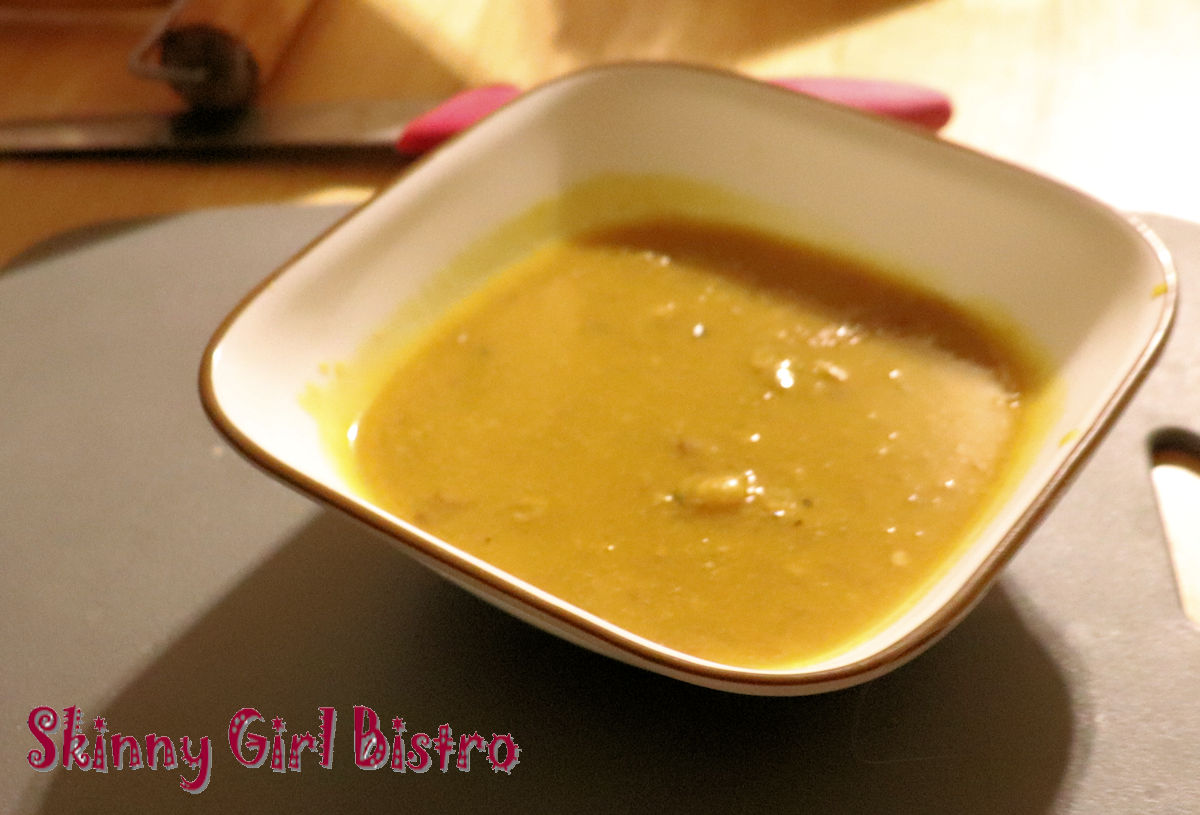
Small-Batch Kabocha Coconut Curry Soup (4 Servings)

INGREDIENTS
2 cups cubed Kabocha squash (about 3/4 lb peeled)
1 tablespoon coconut oil (or neutral oil)
1/2 medium onion, diced
1-1/2 teaspoons ginger paste
2 cloves garlic, minced
1 tablespoon red curry paste
1/2 teaspoon ground turmeric
1-1/2 cups chicken broth
1/2 can (about ¾ cup) full-fat coconut milk
Pinch of cayenne pepper (adjust to taste)
Salt and pepper, to taste
Optional: 1/2 tablespoon lime juice, or 1/2 teaspoon maple syrup or brown sugar
1/4 to 1/3 cup cooked bacon pieces, for garnish or stirring in

INSTRUCTIONS
Sauté aromatics: In a medium pot, heat coconut oil. Add onion and cook until soft. Stir in garlic and ginger paste, cook 1 minute.

Add curry & spices: Stir in curry paste, turmeric, and cayenne. Let bloom for 1–2 minutes.

Add squash and chicken broth. Bring to a boil, then reduce heat and simmer 20–25 minutes until squash is tender.

Purée until smooth using an immersion blender or carefully in batches.

Stir in coconut milk. Warm gently. Season with salt, pepper, lime juice, and sweetener if using.

To serve, top with crispy bacon and any garnish you prefer.

Makes 4 servings

Nutrition information per serving:
Calories: 135 Fat: 9.7 g Sodium: 127 mg Carbohydrates: 10 g Fiber: 1.5 Protein: 2.2 g Net Carbs: 8.6 g
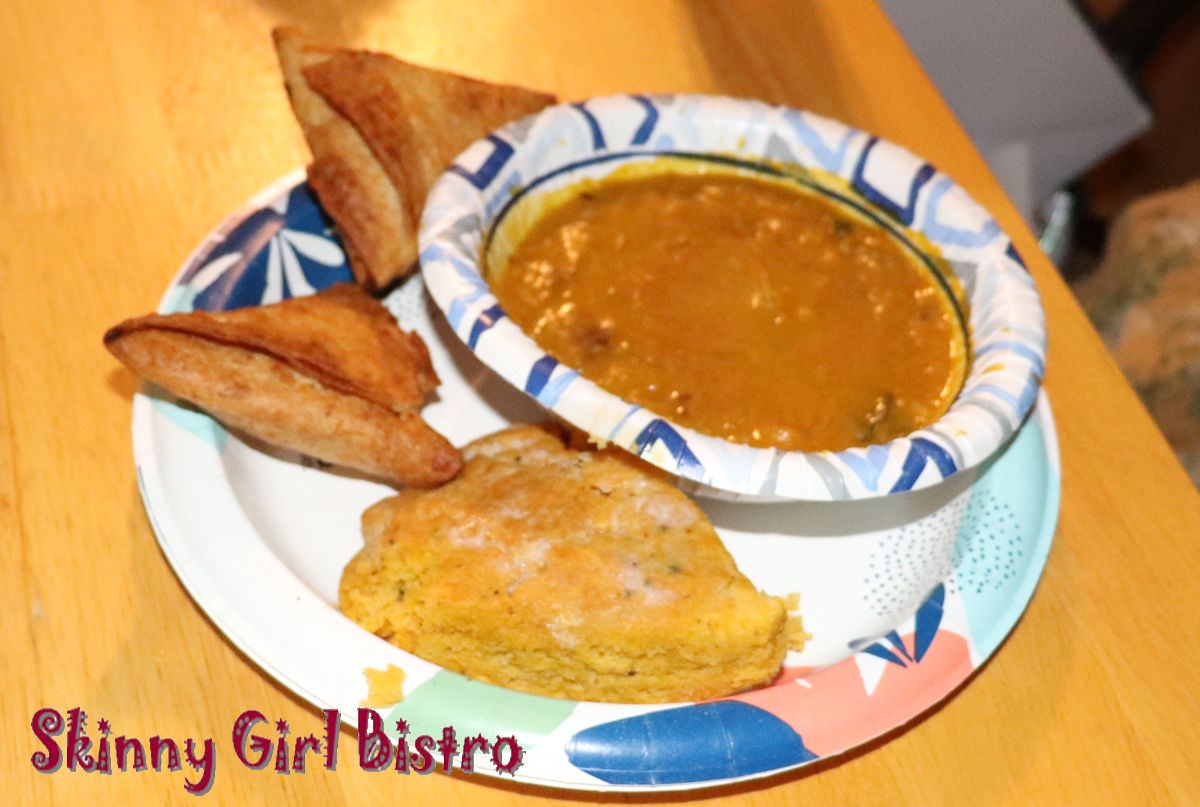
A bowl of Kabocha soup with a pumpkin scone on for dipping. The other two packets are pre-made pakoras.

Savory Pumpkin Scones (No Cheese, All Comfort)


Who says pumpkin has to be sweet? These savory pumpkin scones skip the sugar and cheese but keep all the cozy. Spiced with black pepper, thyme, and a hint of cayenne, they’re tender, golden, and perfect for dunking into soup or enjoying with a pat of butter. Low-carb, low-calorie, and full of fall flavor—this is comfort food with a crisp edge.

Savory Pumpkin Scones (Makes ~6 small scones)

INGREDIENTS

1 cups all-purpose flour (DCC All Purpose or Carbquik)
1/2 cup almond flour
1 tablespoon baking powder
1/2 teaspoon salt
1/2 teaspoon ground black pepper
1/2 teaspoon ground sage or thyme (optional)
1/4 teaspoon cayenne or smoked paprika (optional)
1/2 cup pumpkin puree
1/3 cup cold butter, cubed
1/4 cup unsweetened almond milk or cream

INSTRUCTIONS
Preheat oven to 400°F (200°C). Line a baking sheet with parchment.

In a medium bowl, whisk flour, baking powder, salt, pepper, and herbs/spices.

Add cold butter and work it into the flour with a pastry cutter or fingers until crumbly.

Stir in pumpkin puree and milk until just combined. Fold in cheese.

Pat dough into a circle about 1″ thick. Cut into wedges or rounds. Place on baking sheet, brush tops with milk.

Bake for 18–22 minutes, until golden and firm.

Makes six scones.

Nutrition Information per Scone:
Calories: 142 Fat: 14 g Sodium: 323 mg Carbohydrates: 5.3 g Fiber: 3.4 g Protein: 2 g Net Carbs: 1.9 g

Bonus: How to Peel Kabocha Squash (Safely!)

A microwave is your friend. Pop the whole squash (or large chunks) in the microwave for 2–3 minutes. This softens the skin just enough to make peeling easier.

Use a sturdy peeler or knife to remove the skin.  A Y-peeler works well if the skin isn’t too tough. Otherwise, a sharp chef’s knife and a steady hand are your best bet.

Cut it into manageable pieces. Halve the squash, scoop out the seeds, then slice it into wedges. Peel each wedge individually—much safer than wrestling the whole thing.

Optional: If you are blending the soup thoroughly, you can leave the skin on for extra fiber and color, However, make sure it’s scrubbed clean.

Note: Nutrition information is based on the ingredients I used in this recipe and my measurements. Although they are a close calculation, your results may be slightly higher or lower. Ingredient substitutions may affect the carb count. Different brands may have other carb counts.

Copyright 2025 by Rene Averett, Skinny Girl Bistro

A Different Kind of Scone

Happy Easter, Everyone!

Wishing you a beautiful day here in my city and across the world. I am hoping that most of you are enjoying some lovely weather too. If not, don’t worry—better days are on their way!

Today, I’m revisiting a recipe I first tried a few years ago: scones. Now, I love any kind of scone, but these particular ones have a special place in my heart. Known as Bakestone Scones, or griddle scones, they’re made on the stove—a lifesaver when your oven is busy with other treats, like dinner.

These scones are delightfully simple, but you can jazz them up with a handful of fresh herbs for an extra pop of flavor. Of course, a pat of butter and a dollop of jam work wonders too.

The recipe has its roots in Wales, where they’re called Telsennau Criwsion in the Welsh language.

Hey there! Just a heads-up—some links on this blog are Amazon affiliate links. If you make a purchase through them, I earn a small commission (at no extra cost to you!). It’s like sharing a secret recipe for success—thank you for helping me keep cooking up delicious low-carb creations!

For my version, I used Carbquik Baking Mix, which includes a touch of lard for richness. You can also use finely ground almond meal—like the one from Blue Diamond—as an alternative for a low-carb twist.

Bakestone Scones

Bakestone Scones or Griddle Scones
Teisennau Criwsion

INGREDIENTS:

1-3/4 cups Low Carb Flour
2 teaspoon Baking Powder
Pinch Salt
4 tablespoons Butter
3 to 4 tablespoons Cream

INSTRUCTIONS:

Mix the flour, salt, and baking powder together in a bowl, then rub in the butter until the mixture resembles breadcrumbs.

Add enough cream to form a stiff paste. Roll out to a thin cake on a lightly floured surface and cut into small rounds.

Lightly grease a hot griddle and cook, turning once until golden brown on both sides. Split in half and serve with butter.

Makes 10 to 12 scones.

Nutrition Information (per Scone):
Calories: 151| Fat: 13.4 g | Sodium: 25.3 mg | Carbohydrates: 5.8 g | Fiber: 3.0 g | Protein: 4.4 g | Sugar: 1.6 g | Net Carbs: 2.8 g

Note: Nutrition information is based on the ingredients I used in this recipe and my measurements. Although they are a close calculation, your results may be slightly higher or lower. Ingredient substitutions may affect the carb count. Different brands may have other carb counts.


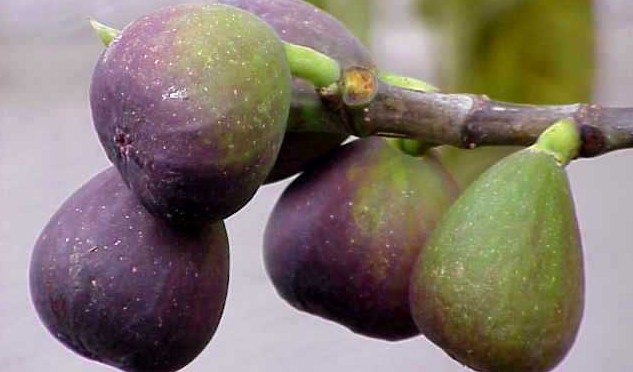
Fantastic Figs – A Good and Versatile Fruit

Living in West Texas as I was growing up, figs weren’t a common fruit in our grocery stores and most of what I experienced were the ones in a dried fruit platter sent by relatives in California at Christmas. I wasn’t that impressed, leaving them to the rest of the family to eat. When I moved to Los Angeles after graduation, my Aunt Emilie introduced me to canned Kadota figs, which were beautiful and plump with a lovely, fruity taste. We usually ate them for breakfast. Still, figs have never been at the top of my favored fruit list.

Even though Nevada borders on California, I rarely see fresh figs at the grocery stores. When I do, they tend to be a little pricey, but I did pick some up a year ago only to cut them in half and dry them for later use, such was my enthusiasm for actually eating them. But when I chose to put them in this blog, I was reminded of the Kadota figs and how much I enjoyed them.

Health Benefits

When I started researching, I found that figs are extremely nutritious. They’re a good source of potassium, help lower blood pressure, reduce cholesterol, and are a fiber-rich food. Additionally, the leaves are also good for you. In some cultures, they are a regular part of the diet. One of the properties of fig leaves is that they have anti-diabetic properties and can help lower insulin. Fig leaves appear to also lower levels of triglycerides in animals and inhibit the growth of some types of cancer cells.  Research is underway to determine the effectiveness.

History

Figs have a Biblical beginning and certainly the fig leaf played a prominent role in the story telling. They were mentioned in the Bible and other ancient writings. One of the first foods cultivated by man, the edible fig is believed to have originated in Egypt and spread from there to Crete. Around the 9th century BC, they arrived in Greece and became such an important part of the Grecian diet that they passed laws to ensure the best quality ones stayed in Greece. Across the way, the Romans considered the fig a sacred fruit. At least 29 varieties of figs were known at this time.

In the late 19th century, figs were brought to California by Spanish missionaries to San Diego, but the trees were not equal to the quality of those that came from Europe. California horticulture began improving the cultivation and processing techniques in the early part of the 20th century. Now, California is one of the largest producers of figs, rising alongside Turkey, Greece, Portugal and Spain.

Popular figs in production in California are Brown Turkey Figs, Black Mission Figs, Kadota Figs and Calmyrna Figs. They come to market between mid-May and mid-December. Figs can be used fresh or dried. I dried my figs in a small dryer that I own and put them in a plastic bag to keep in the refrigerator or freezer. They can be reconstituted somewhat if you put them in hot water and let them sit about an hour. From a carbohydrate stand-point, I prefer drying my own fruit so that no additional sugar is added.

Nutrition Information for 1 medium fig (2 1/4 inch inch diameter)
   Calories: 37 Fat: 0.2 g Net Carbs: 8.6 g Protein: 0.4 g

For now, this recipe for scones made with figs is the only recipe on my site that uses them.  That will change when I can get my hands on more figs.  There are many wonderful-sounding recipes at California Figs.

Fig-a-licious Scones

1 cup Low Carb Flour
2 tablespoons Almond Flour
2 tablespoons Vanilla Whey Protein Powder*
1 tablespoon Oat Fiber*
3 tablespoons Sugar Substitute
1/4 teaspoon Salt
1/2 tablespoon Baking Powder
1/4 cup cold Butter
1/2 cup dried Figs, chopped (about five)
1/2 cup slivered Almonds, toasted and chopped
1 large Egg
1/2 teaspoon Vanilla extract
1/4 cup Buttermilk

* Vanilla Whey Powder and Oat Fiber are optional ingredients. The recipe will work perfectly fine if you use the equivalent amount of the other flours to replace them. They add texture and more fiber but are not necessary.

Chop the dried figs into small pieces. After I softened them and was able to cut them with a knife, I put them in my small food chopper and chop them to little bits. Toast the slivered almonds in a small skillet over medium heat, stirring until they just start to brown. Set aside for now.

In a medium bowl, mix together the flours, protein powder, oat fiber, sugar, salt and baking powder. In a small bowl or cup, add the egg, vanilla extract and buttermilk and beat together. Cut the cold butter into little pieces and add to the flour. Use a pastry cutter or your clean or gloved fingers to mix the butter into the flour until it resembles little crumbs. Add the egg and milk and mix together with a spoon until the flour is completely mixed in. Then add the chopped figs and almond and mix completely through the dough.

Prepare a baking pan with parchment paper or a silicone baking mat. Sprinkle a tablespoon of low carb flour on the pan, then turn the scone dough onto the paper or mat. Pull it together, kneading a few times, then shape it into a 6 or 7 inch round. Using a sharp knife, cut a score line across the middle, then score three slices on each side of the middle line. If you wish, you can cut all the way though and separate by easing each section out a little to allow them to bake with a crust on all sides. I left mine scored so the inside cuts are not crusted.

Put the pan in the freezer for 30 minutes to chill the dough well. This will help it to hold its shape while it bakes. 10 minutes before you are ready to bake, preheat the oven to 425 degrees (F.).

Bake the scones for 18 to 20 minutes. Let cool for a few minutes before serving with clotted cream or butter.

Nutrition Information per scone
   Calories:221.5 Fat: 17.5 g Net Carbs: 6.2 g Protein: 0.9 g

References used for this article include: Wikipedia, World’s Healthiest FoodsNature’s Pride and California Figs

Top photo permission from Wikipedia:  “Ficus carica0” by Kurt Stueber – link: [1], part of www.biolib.de. Licensed under CC BY-SA 3.0 via Wikimedia Commons